
Starting a food truck business can be an exciting opportunity for entrepreneurs who want to bring their food ideas directly to customers. The industry has grown rapidly over the years because food trucks offer flexibility, lower startup costs compared to traditional restaurants, and the ability to reach different locations.
However, building a successful food truck business requires careful planning and preparation.
One of the first things to consider is the type of food you want to serve. Your menu should match your target audience and work efficiently inside a mobile kitchen. Food trucks have limited space, so simple and organized menus usually perform better. Choosing the right menu also helps determine the equipment and layout needed inside the truck.
The design and layout of the truck are extremely important. A poorly designed kitchen can slow down operations and create unnecessary stress during busy hours. Before starting the business, owners should carefully plan where cooking equipment, prep stations, sinks, refrigeration, and storage areas will be placed. A professional food truck builder can help create a layout that improves workflow and maximizes space.
Budget planning is another major factor. Costs may include the truck itself, kitchen equipment, customization, permits, branding, insurance, and inventory. Many business owners underestimate startup expenses, which can create financial challenges later. Proper budgeting helps avoid unexpected problems and allows the business to grow more smoothly.
Health and safety regulations are critical in the food truck industry. Every city and state may have different requirements for permits, fire safety systems, plumbing, ventilation, and food handling. Understanding these regulations before launching the business can prevent delays and costly mistakes. Working with experienced food truck professionals can help simplify the inspection and compliance process.
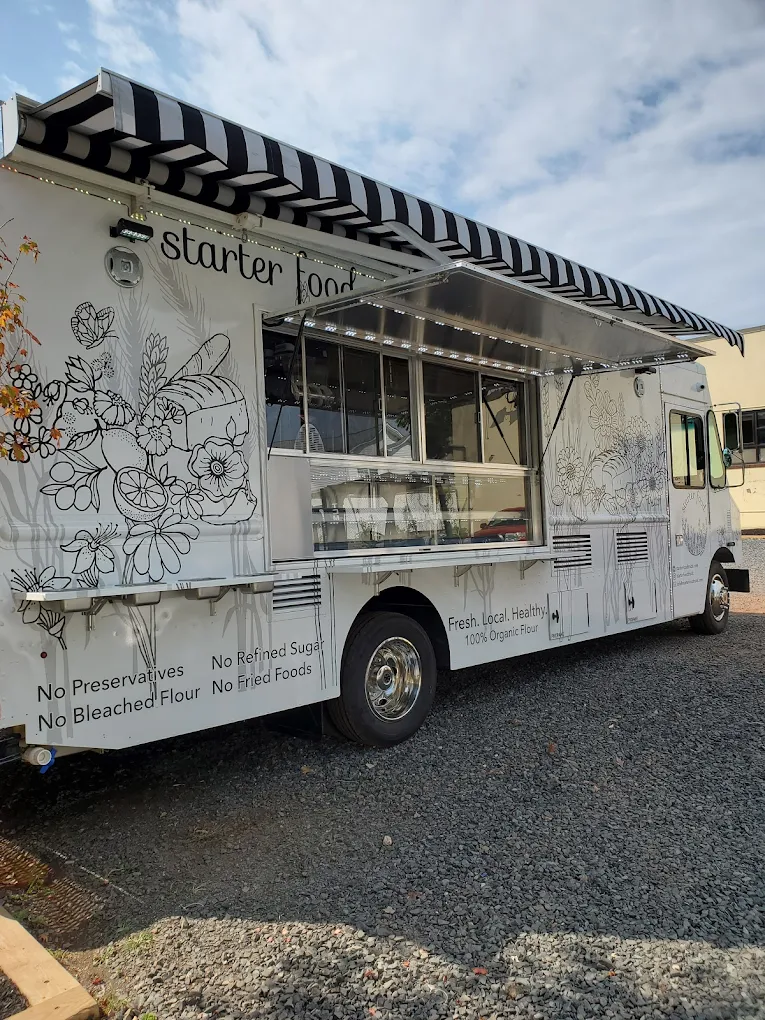
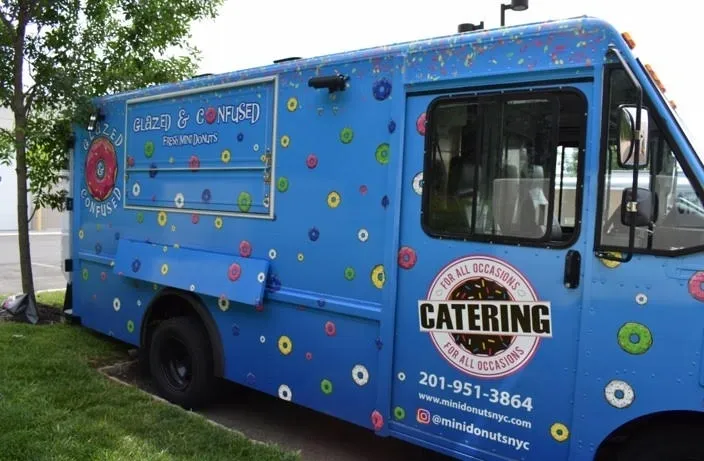
Branding also plays a big role in success. Customers are often attracted to food trucks that have unique and professional designs. A strong logo, attractive truck wrap, clean layout, and memorable business name help create a stronger identity in the market. Social media marketing is also very important for food truck businesses because customers often follow trucks online to track locations and events.
Location strategy should also be considered carefully. Some areas may have higher customer traffic than others. Events, festivals, business districts, and popular nightlife areas are common locations where food trucks perform well. Understanding customer behavior and peak business hours can help increase daily sales.
Maintenance is another important factor that many new owners overlook. Food trucks experience constant movement, heavy equipment usage, and long operating hours. Regular maintenance of generators, cooking equipment, electrical systems, and plumbing helps avoid unexpected breakdowns and business interruptions.
Customer service is one of the biggest factors that influence long-term success. Fast service, friendly communication, and consistent food quality help build customer loyalty. Positive reviews and word-of-mouth recommendations can significantly improve business growth over time.
The food truck industry offers exciting opportunities, but success requires more than simply serving good food. Careful planning, professional customization, smart branding, and efficient operations all play a major role in building a successful mobile food business. With the right preparation and support, a food truck can become a profitable and rewarding investment for years to come.